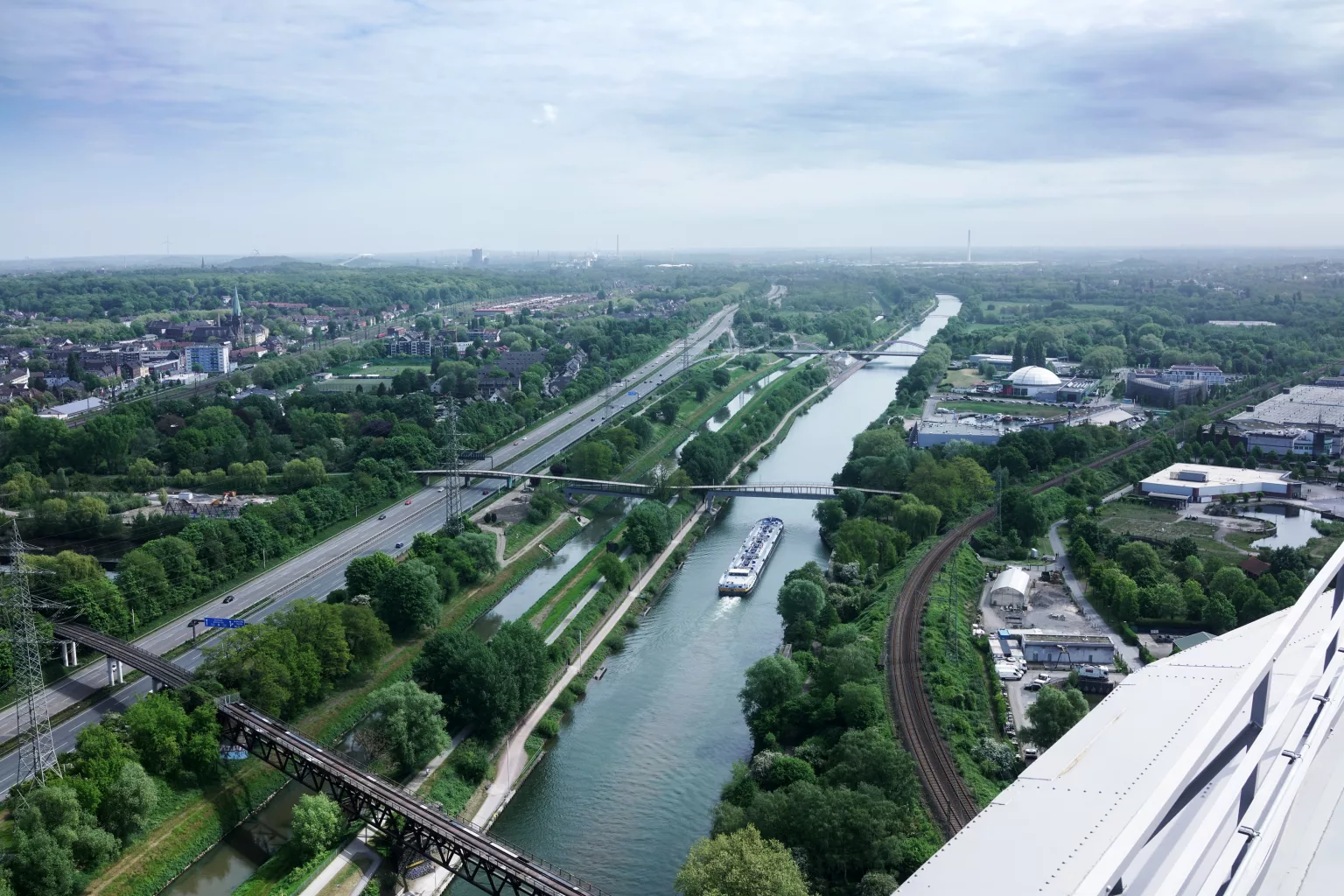
The Emscher, once known as the "dirtiest river in Europe", is now a prime example of successful environmental and urban development projects. Its history goes back to the Industrial Revolution, when the river was transformed into an open sewer due to increasing industrialization and the associated population growth in the Ruhr region. For decades, the image of the polluted river dominated the region until an ambitious project to renaturalize it was launched in the early 1990s.
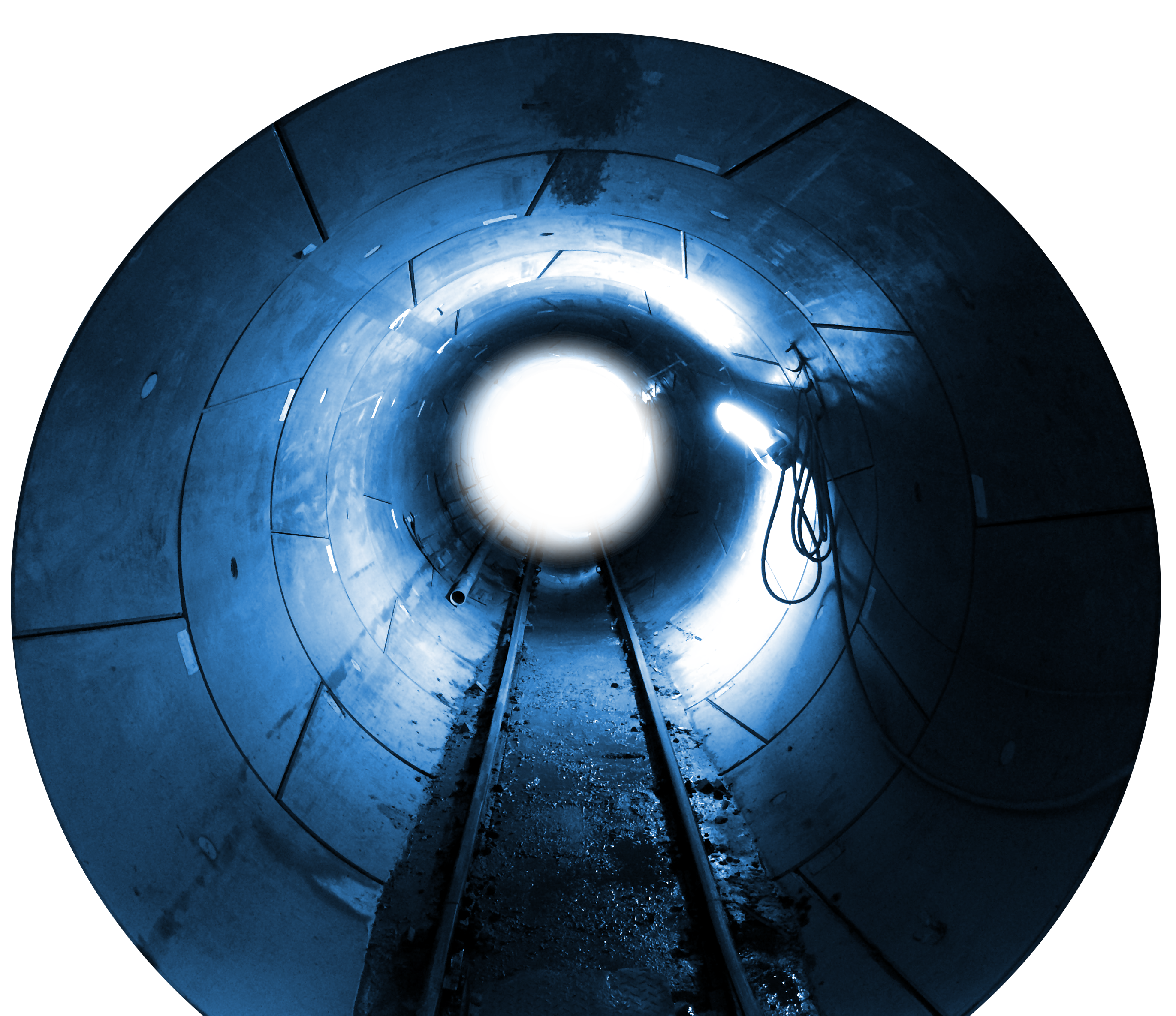
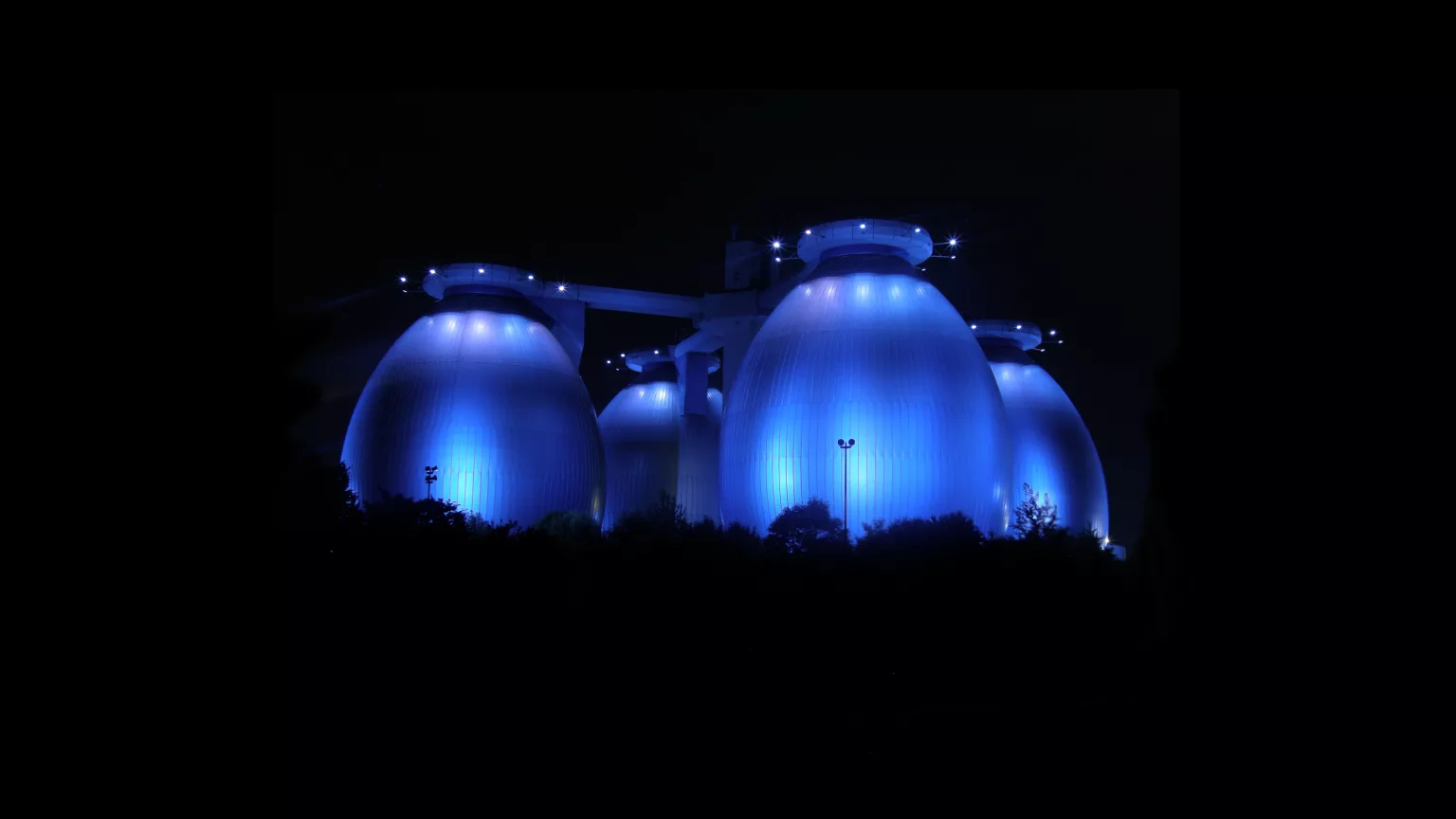
The aim of the Emscher conversion project was to rid the river of its wastewater and return it to a near-natural state. This included the construction of sewage treatment plants, the redesign of the river bed and the reintroduction of flora and fauna. Under the project management of GBM-Essen, the project was fully implemented without delay, which is no mean feat given the scope and complexity of the measures.
Today, the Emscher is a living example of how targeted interventions and sustainable planning can revitalize urban waterways. It not only serves as a green lung and recreational area for the population, but has also increased the region's biodiversity and improved the quality of life. The successful conversion of the Emscher therefore not only stands for the transformation of a river, but also symbolizes the structural change of the entire Ruhr region.
Key data
This project in figures
85km
Channel length
1.3 billion €
Investment costs
100%
GBM project control
9years
Construction time
What else is there to know
Haven't had enough yet?
Here we have
a small excerpt
from our
project activities
compiled.
Please contact us
for further references
if you are looking for a
specific
topic!
We have compiled a small selection of our project activities for you here. Please contact us for further references if you are looking for a specific topic!